The Kit Dossier: A Low-Effort Paper Trail That Makes Second-Hand LARP Gear Easier to Sell
Second-hand LARP kit has a memory problem. The seller knows the foam sword came from a maker in Leicestershire, that the vambrace was re-stitched after a wet weekend in the Peak District, and that the tabard has never been near a tumble dryer. The buyer knows none of it. By the time an item has been through three kit bags, two house moves and one loft, even the seller's memory starts to blur.
That is where a kit dossier comes in. Call it a provenance pouch if you like, but the idea is simple: a small, tidy record that travels with the item and answers the questions a buyer would otherwise have to ask. It is not a legal document, a certificate of authenticity or a guarantee. It is a paper trail — modest, honest and surprisingly persuasive.
On The LARP Trader, the listings that get fewer awkward messages and more serious offers tend to be the ones where the seller has done this bit of homework. Not because buyers are naturally suspicious, but because UK LARP buyers have learned to ask better questions. A dossier gives them answers before they have to.
Start with the questions buyers actually ask
Most pre-loved LARP kit enquiries come down to a handful of things. Where did it come from? What size is it really? Has it been repaired? How has it been stored? Is that mark in the photo a stain or a shadow? A good dossier does not need to be beautiful. It needs to be clear enough that a buyer can stop wondering and start deciding.
Think of it as a single sheet of A5 or A6 card per item, or one page per full kit if you are selling a character set. Add a small zip pouch, a poly pocket or even a labelled envelope. Keep it with the item, not in a separate filing system that never gets updated.
What goes in the pouch
The core details are boring in the best way. Start with the maker or brand if you know it, and say plainly if you do not. Unknown maker is a perfectly respectable entry; invented maker is not. Add the approximate purchase date and source — a trader at an event, a village hall bring-and-buy, a friend, a previous listing — and the price you paid only if you are comfortable sharing it. It is not compulsory.
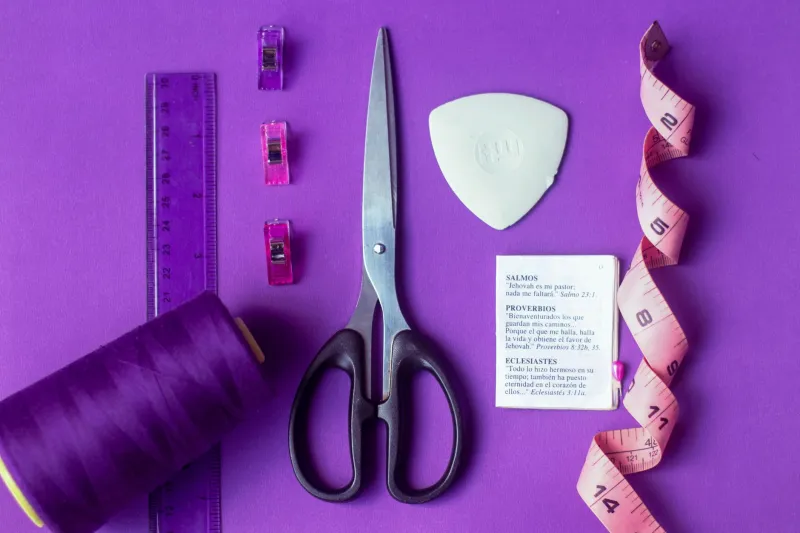
Measurements matter more than labels. For costume pieces, note chest, waist, inside leg, sleeve length or whatever is relevant to the fit. For armour, add strap lengths and the widest point. For foam weapons, record overall length, blade length, grip length and weight if you have kitchen scales. A tape measure is cheap; a return courier after a bad fit is not.
Then the repair log. This is the section buyers read most closely. Date the repair, describe what was done and say who did it — you, a friend, a professional, a cobbler or a leatherworker. A glued foam tip, a replaced buckle, a patched lining, a re-stitched strap: all normal, all worth recording. A repair log does not undermine a listing. It usually strengthens it, because it shows the item has been looked after rather than quietly abandoned.
Storage history can be brief. Indoors, smoke-free, away from radiators, in a breathable cotton bag, in a plastic box with silica packs. Be accurate. If it spent a winter in a shed, say so, and let the photos and condition notes do the rest.
Finally, photo dates. You do not need a forensic archive. A simple line such as photos taken 3 November 2026 is enough. If you use a phone, the metadata is there anyway, but a written date helps buyers who are viewing on a laptop with no clue how to check it.
Costumes, armour and foam: slightly different notes
Costume pieces benefit from fabric content, washing history and any known shrinkage. Leather and armour benefit from strap sizes, lining condition and whether any plates have been re-riveted or re-backed. Foam weapons need the most cautious language: state the maker, the core type if known, the foam condition, any repairs and whether it has passed or failed a recent safety check at an event. Do not imply a weapon is event-approved for every system. It is not your call to make.
The ten-minute audit before you list
You do not need to start a dossier from scratch for every sale. Before listing, sit down with the item and a notepad for ten minutes. Check the maker's mark, re-measure the important bits, photograph any damage in daylight, and write down the repairs you can remember. If you cannot remember, say unknown. Then date the sheet and slip it into the pouch.
A quick photo of the open pouch beside the item is a strong listing image. It signals that the paperwork exists and that you are not hiding anything. Mention the dossier in the description, but do not oversell it. A line such as comes with a simple condition and repair log is enough.
Pricing with proof, not puff
A clear paper trail can justify a better price, but it will not turn a tired tabard into a collector's piece. Be realistic. Provenance helps an item sell faster and reduces the chance of a return or a disappointed message, and it may add a small premium over an identical item with no history. It is not a valuation, an appraisal or a substitute for good photos and honest condition notes.
Overclaiming is the fastest way to undo the good work. Do not describe an unknown maker as bespoke. Do not call a repaired strap original. Do not suggest a foam weapon is safe for all systems when you have only used it at one. Buyers talk to each other, and a paper trail that contradicts the item is worse than no paper trail at all.
Handover and privacy
When the item sells, the pouch goes with it. Keep a photo of the contents for your own records, but redact anything private: addresses, phone numbers, buyer names from old receipts, payment details. A provenance pouch is about the kit, not about you.
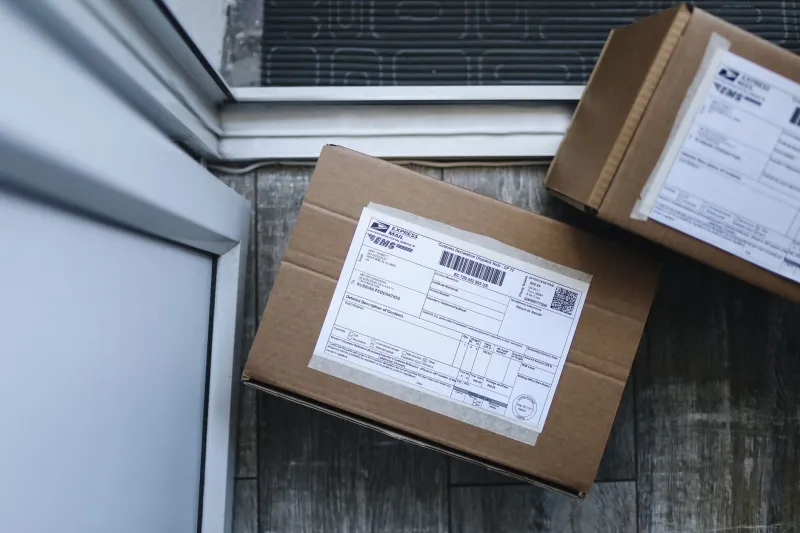
If you post the item, slip the pouch inside a poly pocket and tape it to the inside of the box lid so it does not rattle around. For a collection-only sale, hand it over with the kit and say what is in it. That small moment of explanation is part of the sale.
A small habit that pays off
A kit dossier is not admin for the sake of admin. It is a habit that makes selling easier, buying more confident and the second-hand market a little more honest. Start with one item this week: a cloak, a pair of bracers, a latex sword. Write the sheet, take the photo, date it and put it in a pouch. Future you — and the buyer — will be glad you did.