The Honest Inch: Listing Second-Hand LARP Kit With Measurements Buyers Trust
There is a particular kind of silence that follows a buyer opening a parcel and discovering that the "medium" tunic you sold them fits like a tea cosy on a lamppost. It is not the fun kind of silence. It is the kind that ends in a return, a refund and a small dent in the trust that keeps the UK second-hand LARP market moving.
Sizing labels are not lies, exactly. They are rumours. One maker's medium is another maker's small, and a third maker's medium was clearly cut for a length of drainpipe with ambitions. Add layers, padding, belts and the fact that LARP kit is meant to move with you, and a single letter becomes almost useless.
Measurements are the antidote. They are not glamorous, but they sell kit. More importantly, they stop the wrong kit going to the wrong person.
Why "Medium" Is Not a Measurement
Most LARP clothing and armour is not bought off a standardised rack. It is made by small workshops, revised by previous owners, adjusted with lacing, and worn over whatever modern base layers the weather demands. A "medium" gambeson from one trader may fit a 42-inch chest comfortably; another may be generous on the shoulders and snug at the waist. Neither is wrong. They are just different garments.
When you list second-hand kit, you are not just selling the item. You are selling the information that lets someone else decide whether it will work for them. A tape measure is the cheapest marketing tool you own.
The Flat-Lay Is the Truth
The most useful measurements come from the garment lying flat, done up as it would be worn, with no stretching or creative pinning. Use a hard floor or a large table, smooth out wrinkles, and keep the tape snug but not tight. If a piece laces, close it to the approximate fit you wore it at and note that in the listing. If it has a belt, measure with and without it.
For bulky items, avoid measuring round curves while the item is hanging. Gravity flatters some cuts and punishes others. Flat is fair.
The Body Points That Actually Matter
For tunics, tabards and soft kit, the key figures are pit-to-pit, length from shoulder seam to hem, sleeve length from shoulder seam to cuff, and waist if it is fitted. For robes and cloaks, add shoulder width and the drop from the neck point. For armour, chest width, waist width, shoulder-to-waist length and any adjustable straps are more useful than a size label. For legwear, give waist, inseam and outside leg.
Do not forget the human bits. State the chest, waist and height range you think the item suits. Say whether it fitted you snugly, loosely or over a base layer. That context turns numbers into a picture.
Allow for Padding, Movement and British Weather
LARP kit is rarely worn alone. A tunic may sit over a shirt and a gambeson. Armour may need room for padding. A cloak needs to close over everything without strangling you when you raise an arm to hold a polearm.
As a seller, note the allowance. If your 42-inch chest gambeson fitted you with a thin base layer and a little room, say so. If it was snug over a hoodie, say that too. Buyers would rather hear "comfortable over a shirt, tight over a padded jacket" than discover it in a muddy field.
Movement matters as much as static fit. If you can raise your arms, bend, kneel and climb a stile without the kit fighting you, that is worth mentioning. If the shoulders are restrictive, be honest. A listing that says "great for standing and posing, not ideal for shield wall gymnastics" is more useful than one that says "good condition".
Photograph the Tape
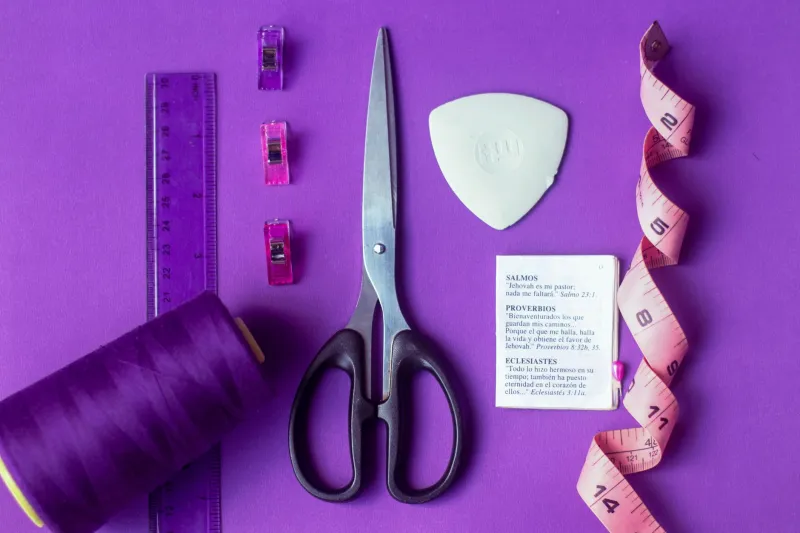
A tape measure photograph is not glamorous, but it is persuasive. Take one clear flat-lay shot with the tape laid across the chest, one across the waist, and one showing length. Keep the numbers visible or repeat them in the caption. This does two things: it proves you measured rather than guessed, and it gives buyers a visual reference for scale.
Pair those with a photo of the item on a hanger or mannequin if you have one, and a close-up of any adjustment points. Buyers trust sellers who show their working.
A Copyable Listing Template
You do not need to be a technical writer. A simple block of numbers and notes will do. Adapt this to the item:
Item: [name, maker if known, approximate age]
Label size: [as printed, or "unlabelled"]
Flat measurements:
- Pit to pit: [inches/cm]
- Waist: [inches/cm]
- Length shoulder to hem: [inches/cm]
- Sleeve: [inches/cm]
Fit notes: [e.g. "fitted me at 40in chest over a shirt; snug over a hoodie"]
Adjustability: [laces, straps, belts, none]
Condition: [honest notes on wear, repairs, fading]
Ideal for: [rough height/build range, layering needs]
Add a line about returns before the buyer asks. If you are happy to accept returns within 14 days if the measurements prove inaccurate, say so. If you are selling as final sale, say that clearly and make the measurements even more detailed. Either way, clarity beats surprise.
The Trust Dividend
Good measurements do more than reduce returns. They build a reputation. In the UK second-hand LARP scene, word travels through Discord servers, Facebook groups and muddy field conversations. A seller known for honest sizing gets repeat buyers and fewer awkward messages.
You are not just listing a tunic. You are handing someone the confidence to turn up at an event feeling properly kitted. Measure twice, list once, and let the tape do the talking.