Swap Meet, Not Swap Mess: Running a Local LARP Kit Exchange People Trust
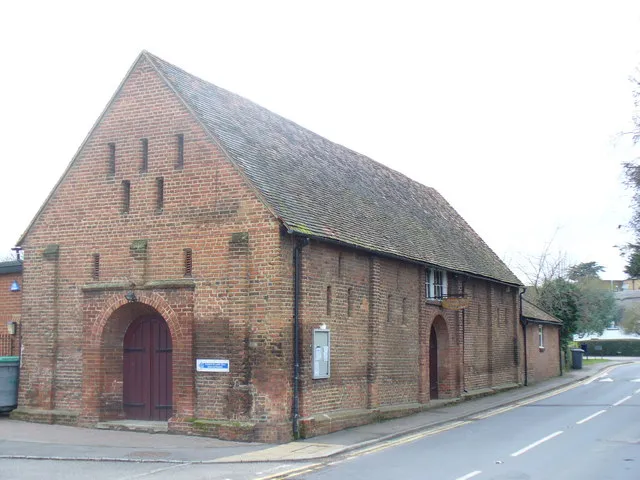
Photo: Colin Smith, CC BY-SA 2.0, via Wikimedia Commons
Kit swaps have a simple promise: bring the gear you do not use, leave with something you will. In practice, a swap meet is a small marketplace with all the usual trust problems, plus foam weapons. Get the boring bits right and it becomes one of the cheapest, friendliest ways to move kit in your local LARP scene.
Find a hall, not a hype venue
The best UK swap meets happen in village halls, community centres, scout huts and club rooms. You want dry floors, good lighting, step-free access, parking nearby and enough tables to stop the whole thing turning into a scrum. Check the booking terms, ask about public liability insurance and confirm whether the hall has its own cover or expects you to provide it. If you are charging table fees, keep the maths simple and make sure the hall hire is covered before anyone starts pricing a cloak.
Think about the British weather. A queue outside in November is a queue of damp players with bin bags. Have a covered entrance or a patient setup window. Put the tea and cake near the door, not next to the latex weapons. It sounds trivial until someone puts a mug of squash on a suede pouch.
Rules on the table, before the tables are set
Publish the table rules in advance. Who is selling: individual players, local makers, club traders? Is it cash only, card, or both? Are swaps allowed, or is it sale-only? Are weapons allowed on display, and do they need to be checked and tagged? Keep the answers short enough to read on a phone.
A simple system works best. Each seller gets a table, a label with their name and a clear price card. Every item should have a size, condition note and price. Swap-only items get a different coloured sticker. Anything that has not been safety-checked goes behind the desk, not on the table. If you are allowing traders, give them a separate zone so a professional stall does not swallow the amateur tables.
Pricing, swapping and the three-sticker trick
Most kit at a swap meet should be priced to move. That does not mean giving it away. It means looking at what similar items go for on The LARP Trader and pricing honestly for the condition. A clean tabard with no repairs is worth more than a mud-stained one with a mystery stain and a missing button. Bundles work well: a belt, pouch and tankard for one price is easier to sell than three lonely items.
Use a simple sticker code. Green means open to cash or swap. Amber means swap preferred. Red means display only or seller not present. It saves a hundred conversations and stops people asking whether the ceremonial axe is included in the three-for-two offer.
Cash is still king at small meets, but mobile signal can be patchy in a village hall. If you want card payments, make sure sellers know it is their responsibility. A central float for change is useful, but do not become an unofficial bank. Keep a written record of table fees and any raffle or donation money. Transparency keeps the community onside.
The safety desk is non-negotiable
A swap meet is not an event weapons check, but it should not be a loophole either. Have one person on the door or a dedicated safety table. Check foam weapons for core failures, split foam, loose strapping and torn latex. Check shields for handles and edges. Look at leather for dry rot and mould. Clothing should be clean and free of pests. If it would fail an event safety check, it does not go on a table.
Be polite but firm. You are not insulting someone's craftsmanship by refusing a unsafe item; you are protecting the next person who buys it. Offer to put it in a repair pile or a freebie box with a warning label. A swap meet that gets a reputation for dodgy kit will not get a second year.
When a swap goes sideways
Most swaps are fine. Some are not. Someone discovers a split seam at home. Someone else thinks a cloak was described as wool when it is clearly synthetic. Have a process before the arguments start. For high-value items, use a simple swap slip with both names, the item, the price and the date. For private sales, sold as seen is the normal starting point, but a fair organiser will still listen when an item was clearly misdescribed.
Set a rule: report problems within 24 hours, keep it civil, and let the organiser mediate rather than adjudicate. You cannot force a refund between two private sellers, but you can note repeated bad behaviour and decline their table next time. That is the marketplace working as a community, not a court. Keep a written record of complaints and outcomes. It protects everyone, including the organiser.
Make it a hub, not just a car boot sale
The swaps that people remember are the ones that do more than shift kit. Put a repair station in the corner with a needle, thread, leather conditioner and a patient volunteer. Run a beginner table with simple loaner kit and a sign-up sheet for local groups. Invite a club to demo fighting or costume basics. Give people a reason to stay after they have spent their money.
Photograph the room, not the people, unless you have permission. Share a follow-up post with leftover items and lost property. Point sellers towards The LARP Trader if they have not sold everything. The swap is not the end of the marketplace; it is the local front door to it.
Clear up, follow up, pass it on
At the end, count the takings, check the hall, bag the lost property and thank the volunteers by name. Ask for feedback while the tea is still warm. If there is leftover kit, offer it to a local kit library or a club starter stash before it goes to the charity shop. A good swap meet leaves the scene with less clutter, more connections and a clearer idea of what people actually want to buy next season.