Torch, Tape and Ten Minutes: The Car Park LARP Kit Handover That Saves You a Return Trip
Second-hand LARP kit rarely gets a proper fitting room. You meet in a supermarket car park near junction whatever, the seller opens the boot, and suddenly you're squinting at a latex sword by the light of a flickering streetlamp while a trolley clatters past. It's not glamorous, but it works — if you treat those ten minutes as a proper inspection rather than a hopeful handover.
As the 2026 event season winds down and kit bags start appearing in listings, plenty of good gear will change hands in car parks up and down the UK. The trick is to make those meetings count without turning them into an ordeal. Call it the ten-pound test: any fault that would cost more than a tenner and a weekend to put right has to be reflected in the price, or you leave it.
The car park is the fitting room
Not ideal, but honest. You see the kit in daylight or under car-park lights, you feel it, you ask questions. The trick is to arrive prepared and keep it short. Sellers have places to be; you have a budget to protect. A respectful ten-minute routine is better than a forty-minute forensic session that leaves everyone awkward.
It also helps to agree the basics before you meet: price, payment method, and whether the seller is happy for you to inspect properly. A quick message saying 'I'll bring a torch and tape measure — just so I can check seams and fit' sets the tone. Most sellers appreciate it. The ones who don't are telling you something useful.
Pocket kit for a smarter handover
You don't need a mobile workshop. A few small things make a big difference:
- A small torch with a tight beam. Raking light shows dents, scratches, foam crumble and stitch tension far better than a phone screen.
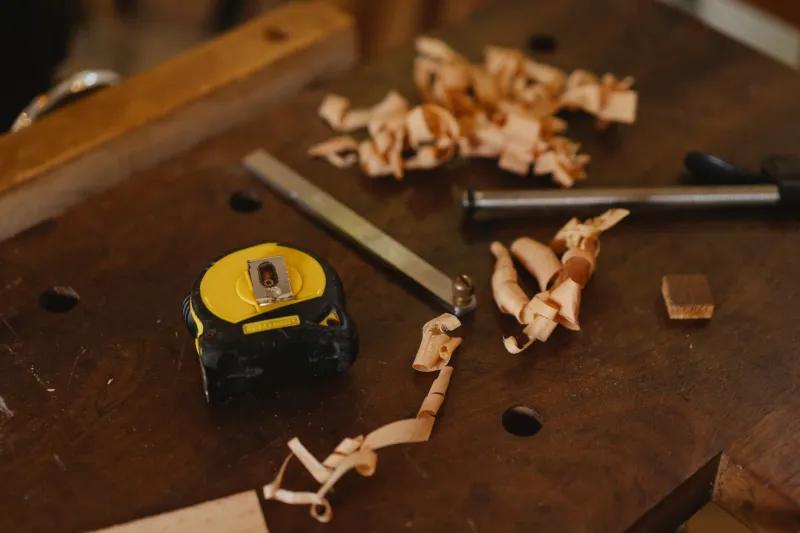
- A soft tape measure. Know your measurements before you go: chest, waist, inside leg, head circumference, and any weapon length limits for your system.
- Your phone, with photos of existing kit or a note of measurements. Useful if you're matching a colour or checking a size.
- Wet wipes or a cloth for hands after checking leather or foam.
- A copy of the listing, plus the agreed price and payment method.
- A bag or bin liner for the item, especially if it's damp or muddy.
Don't bring a full toolkit and a clipboard unless you want to look like an insurance assessor. The goal is confidence, not theatre.
The ten-minute route
1. Stand back first
Before touching, look at the whole item. Does the silhouette match the listing? Are the colours close? Is there obvious damage that wasn't pictured? Ask permission before you handle it. 'Mind if I take a proper look?' does a lot of work.
2. Light and smell
Run the torch along seams, edges and undersides. Then smell the item. Musty, mildewy, smoke, pet or heavy perfume can all be hiding something. A bit of storage dust is fine; a damp-cupboard whiff is a warning. If it smells like it has been living in a shed since a previous decade, factor that in.
3. Seams and stress points
Gently tug seams at shoulders, crotch, armpits, straps and weapon tips. Look for pulled threads, popped stitches, glue lifting, or repairs that feel stiffer than the surrounding material. A neat repair is fine; a mystery blob is not. Check zips and poppers too — give zips a short, careful run rather than yanking them like a tent zip in a gale.
4. Foam, latex and foam rot
For weapons and armour, press foam gently. It should spring back. Crumbly edges, sticky patches, dark spots, or foam that stays compressed are signs of rot or hard use. On latex, check tips and joins for tears, tackiness, or a shine that means it's drying out. Ask how it's been stored and whether it's been silicone-treated. Don't poke hard enough to cause damage — you're inspecting, not demolishing.
5. Leather and heavy fabric
Leather should flex without cracking. Bend a strap gently, not like you're testing a door hinge. Dry, stiff leather can often be fed, but deep cracks or delamination are a pass. For heavy fabric, check hems, linings, zips and poppers. Look inside cuffs and collars where sweat and dirt collect. A little wear is normal; a crusty lining is a clue.
6. Measure and compare
Use the tape measure on key dimensions, especially if fit matters. A tunic that's two inches short in the body or boots that are a size off will sit in your kit bag forever. Check weapon lengths against your system's rules if relevant. If the seller has measurements in the listing, verify the big ones. It's not distrust; it's just sensible.
The tenner rule and the polite exit
Here's the ten-pound test in practice. If a flaw would cost more than a tenner and a weekend to fix, it needs to come off the price or come home with the seller. That doesn't mean haggling hard in a drizzle. It means deciding before you open your wallet.
If it's not right, say so kindly and specifically. 'Thanks for meeting me — the foam's gone at the tip, so I'll leave it' is cleaner than inventing a bus to catch. You don't owe a forensic report, but a little honesty keeps the community decent. If you're on the fence, ask for five minutes to think away from the car. Then decide. A polite no today is better than a resentful sale tomorrow.
Receipt, payment and no regrets
Agree payment before the meet: cash, bank transfer, or a marketplace method. Count cash away from the seller if that makes you comfortable, but don't make a performance of it. Once you've paid, write a simple receipt on paper or your phone: date, item, price, seller's name or username, and any agreed faults. Both of you keep a copy. 'Sold as seen' is fine, but noting the known issues protects everyone.
Put the kit in the boot, not on the back seat where it can slide. If it's damp, don't seal it in a plastic bag for a week — air it at home. Then leave a fair review. If the seller was honest and the item matched, say so. The next buyer will thank you.
Final word
A car park handover will never be a boutique experience. But with a torch, a tape measure and ten calm minutes, it can be a good one. You're not there to catch someone out; you're there to make a sensible trade. Do that, and you'll drive home with kit you trust — and no return trip in your future.