The Spare Kit Shelf: A Lending Bag That Comes Home
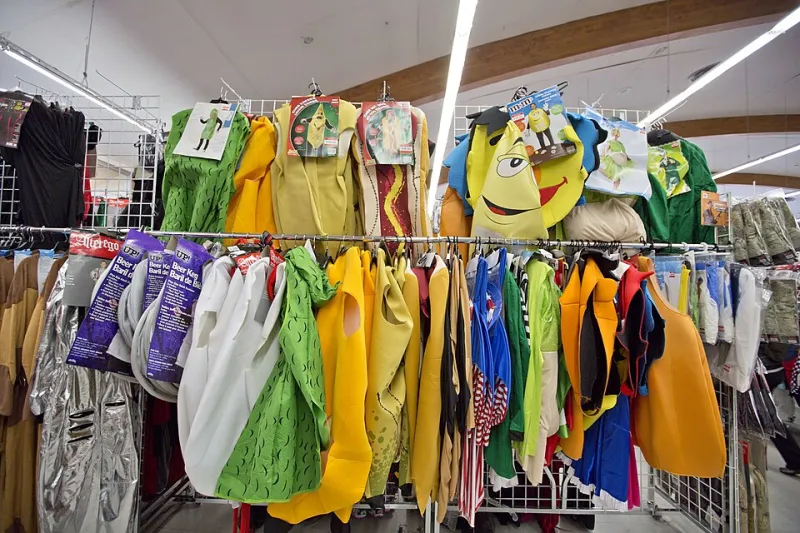
Photo: GoToVan from Vancouver, Canada, CC BY 2.0, via Wikimedia Commons
Every club has one: the player who turns up with a spare tunic, a belt that fits anyone and a foam sword that has seen better days but still does the job. That person is not running a shop. They are running a small, quiet welfare service for newcomers, and it works because the kit is deliberately limited. A lending bag is not your main wardrobe with a label on it. It is a separate, modest shelf of pre-loved gear chosen to get someone through their first event and back to the real world with their dignity and fingers intact.
Start With One Body, Not a Whole Army
The temptation, when buying second-hand kit, is to rescue everything. Resist it. A useful loaner shelf covers one or two body shapes and one or two simple archetypes: a basic fighter, a scout, a villager, perhaps a modest caster. Think adjustable waist tabs, generous shoulders, tie-on belts and no fiddly fastenings that need a dresser. Avoid anything that only works on one person, unless that person is you and you are happy to be the only lender.
Good second-hand buys for a lending bag include plain tunics in dark colours, machine-washable trousers, simple tabards, soft belts, pouches with secure flaps and a couple of warm layers. Look for kit that survives a field, a function room and a rainy car park. If it needs dry-cleaning, specialist leather care or a prayer, it belongs in your own kit bag, not the community one.
Buy for the Beginner, Not the Character Sheet
New players often arrive with a character idea and no kit. The lending shelf should bridge that gap without making them look like they raided a lost property bin. Stick to neutral colours and simple silhouettes. A plain wool-toned tunic works for a farmer, a mercenary or a rogue with the right belt. A brightly patterned doublet that only suits one faction is a costume, not a starter kit.
When buying pre-loved, check the boring bits first: seams, underarm wear, belt loops, missing buttons and zip condition. Give everything a wash or a proper airing before it goes on the shelf. If a repair is needed, do it now, not at the event gate. A loaner bag should be ready to lend, not a craft project with a handle.
Hygiene Is the Whole Game
Shared kit has to be clean kit. This is not about being precious; it is about being practical. Keep a small stock of washable base layers in common sizes and wash them after every loan. Do not lend socks, underwear, face paint, makeup or anything that touches skin closely unless it is brand new and stays with the borrower. Hats and hoods are awkward; if you include them, use washable liners or accept that they are a personal item and keep them out of the general bag.
Label the washable stuff clearly. A simple luggage tag on the bag and a numbered label inside each garment saves a lot of squinting at handwriting later. Keep a small hygiene kit with the lending bag: wet wipes, a couple of sealed hair ties, hand sanitiser and a spare cloth. It sounds fussy until the first muddy Saturday, when it becomes the most popular thing on the shelf.
Repair Before You Release
A loaner bag is not a graveyard for broken kit. It is a second chance shelf with standards. Fix loose straps, replace missing toggles and check that pouches actually close. If a piece has a known weak point, write it on the inventory and decide whether it is worth the risk. A tunic with a small mended tear is fine. A belt that has been glued three times and now holds by optimism is not.
Keep a small repair tin nearby: strong thread, a few safety pins, spare cord, a needle and a patch of suitable fabric. The aim is not to run a workshop, but to stop small failures becoming end-of-event dramas.
What Not to Risk
Some kit should never go into a general lending bag. Weapons are the obvious one. Even foam and latex weapons need club approval, safety checks and a clear understanding of who is responsible if something goes wrong. Unless your club has a specific policy and you are comfortable with it, keep weapons out of the loaner shelf.
Also avoid expensive jewellery, complicated corsets, anything with small removable parts, white or cream garments that show every grass stain, and kit that needs a particular body shape to work safely. A loaner bag should reduce stress, not create a new job for the person running the event.
Make the Way Home Obvious
A lending bag needs a sign-out system so simple that people actually use it. A clipboard, a shared note on your phone or a small notebook all work. Record the borrower, the event, the date and what went out. Photograph the kit on the shelf so you can compare later. Set a return date before the event ends, not after. A polite reminder at the end of the day is normal and saves awkward messages in the following week.
Keep the bag itself labelled and stored in one place: a breathable cotton or mesh bag, a labelled plastic crate with air holes, or a shelf that everyone in the club knows. Do not let the lending kit migrate into your own wardrobe. The moment it does, it becomes invisible and then it becomes lost.
Generosity With a Boundary
The best loaner bags are small, boring and reliable. They are not a substitute for a club kit policy, and they are not a way to offload your repair pile. They are a practical welcome: here is a tunic, here is a belt, here is a warm layer, bring it back on Sunday. Buy second-hand with that job in mind and you will spend less, lend better and keep your own kit shelf intact. That is the quiet magic of a spare kit shelf. It turns a spectator into a player without turning you into a lost-property office.