Before You List It: Five Bench Jobs That Add Real Value to Old LARP Kit
There is a particular kind of optimism that arrives when you drag a tired kit bag out of the loft and decide it is worth selling. The leather is scuffed, the foam weapon rattles, and the tabard has a hem like a weather chart. Some of that kit is ready for the repair bench. Some of it is ready for the spares bin. Knowing the difference is what separates a good listing from a buyer's regret.
This is a seller's list, not a museum restoration guide. The aim is to add honest value, not to turn old kit into something it is not. If a repair hides a structural problem, it is not a repair. It is a liability.
1. Leather: clean, feed, and restitch the seams
Scuffed leather is not automatically damaged leather. Dry leather is. Clean it with saddle soap, let it dry slowly away from direct heat, and feed it with a beeswax or neatsfoot product. Patch test first, especially on dyed or antique finishes. Then look at the seams. A split seam on a belt, bracer, or bag is worth restitching with waxed linen thread and a harness needle. It is a visible, honest repair that makes the item wearable again.
What does not add value is dyeing over rot, slathering on conditioner to hide cracking, or gluing a strap that is about to fail under load. If the leather is crumbling at the bend points, sell it as spares or as a decorative piece. Say so plainly.
Disclosure language that works: 'Cleaned and conditioned; two seams restitched with waxed linen thread. Scuff marks remain and the finish is uneven in places. No cracking at the bend points.'
2. Foam weapons: fix the rattle only if the core is sound
A rattling foam weapon can mean a loose pommel, a shifting grip, or a core that has broken inside the foam. The first two are bench jobs. The third is a safety issue. If the core is snapped, delaminated, or feels soft in one spot, do not sell the weapon as event-ready. Re-taping the grip and re-gluing a pommel is fine if the core is sound. Fresh latex over a dead core is not a repair, it is camouflage.
Check the weapon gently and honestly. If you are not confident about its condition, sell it as a display piece or as spares and state that it has not been event-checked. UK system weapon checks are not all identical, and a buyer needs to know what they are getting.
Disclosure language that works: 'Pommel re-seated and grip re-taped. Blade has a slight rattle but no soft spots found. Sold as display or spares unless you have it checked by your event safety marshal.'
3. Tabards and soft kit: hem, patch, and reinforce
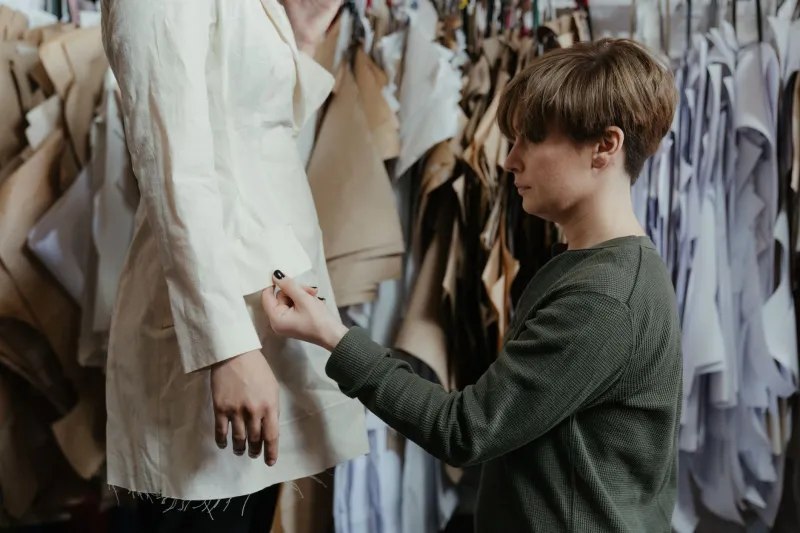
A tired tabard often has years of life left in it. Frayed hems, split side seams, and missing trim are straightforward repairs. Match the fibre where you can: wool patch on wool, linen on linen, and a sturdy cotton on basic tabards. A visible patch can even become part of the design if it is neat and deliberate. Reinforce the points that take the strain, such as the shoulders and the hem corners.
What you should not do is press a mud-stained tabard with a hot iron and call it refreshed. Clean it according to the fibre first. If the fabric smells of mildew or has sweat rot in the armpits, it is spares. A buyer will find out as soon as they wear it for a weekend.
Disclosure language that works: 'Hem re-stitched by hand and a small wool patch added to the lower left front. Colour match is close but not perfect. Freshly washed and stored dry.'
4. Hardware: buckles, rivets, and straps
Hardware is where old kit often fails quietly. A missing rivet, a bent buckle, or a strap that has gone thin at the punch holes can make an otherwise good piece unwearable. Replacing them is a genuine value repair. Use copper rivets, solid buckles, and leather straps that are fit for purpose. A modern replacement is fine if you say it is modern.
What does not add value is fitting a cheap, shiny buckle to a medieval-style belt and pretending it is period-appropriate. Buyers who care will notice. Buyers who do not care still deserve to know what has been changed.
Disclosure language that works: 'Two missing rivets replaced with copper rivets. Buckle is a modern replacement, not period-accurate. Strap has been re-punched and is sound.'
5. Odour, mould, and damp storage
This is less a repair than a rescue, but it matters more than most sellers admit. UK kit lives in damp garages, sheds, and lofts, and mould can come back after a wash. Do not mask it with perfume or a heavy leather dressing. Clean according to the material, dry thoroughly, and store the item somewhere genuinely dry before listing. If mould has gone into foam, leather that stays damp, or a padded garment, sell it as spares. Your buyer's lungs and reputation are worth more than the sale.
Disclosure language that works: 'Washed and dried thoroughly. No musty smell at the time of listing. Stored indoors since cleaning. I cannot guarantee it will suit a smoke-free or mould-sensitive buyer.'
Fix first or sell as spares?
Use this quick checklist before you reach for the needle or the glue.
- Is the repair structural or safety-critical? Weapon cores, load-bearing straps, and armour fixings are not DIY flip projects. Sell as spares or display unless you are qualified to repair them.
- Does the repair hide a problem rather than solve it? If yes, stop.
- Can you photograph the before and after honestly? If not, do not claim the repair.
- Will the repair cost less than the value it adds? Time counts.
- Would you wear it or use it yourself for a weekend? If not, price it as spares.
- Does the disclosure make the buyer more confident rather than less? Good disclosure usually does.
List the repair, not just the item
When you list repaired kit on thelarptrader.co.uk, treat the repair as part of the description. A buyer who knows a seam has been restitched is more likely to trust the rest of the listing. A buyer who finds out after delivery is not a buyer you want. Price repaired kit a little below mint condition, even if the repair is excellent. It is still old kit with a history, and that is exactly what makes it worth trading again.